
Under the framework of global green energy transitions, minerals have become a critical resource. In this context, seabed mining has emerged as a new frontier for mineral extraction. New Zealand is currently at the spotlight as it awaits a decision on the approval of a controversial large-scale seabed mining project on its coast.
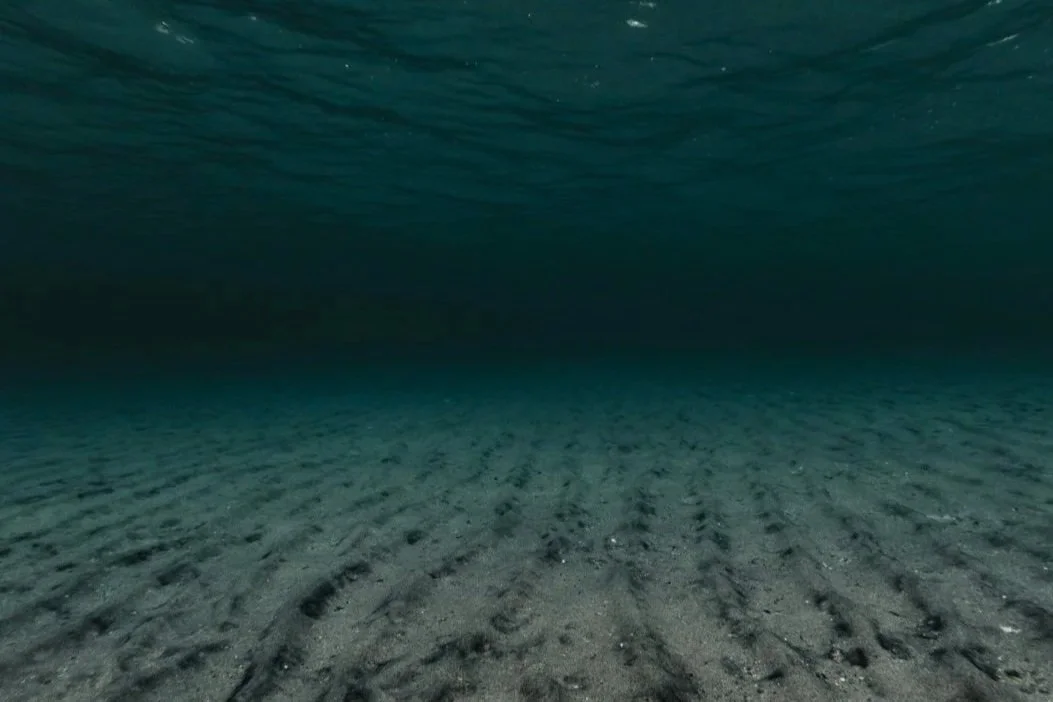
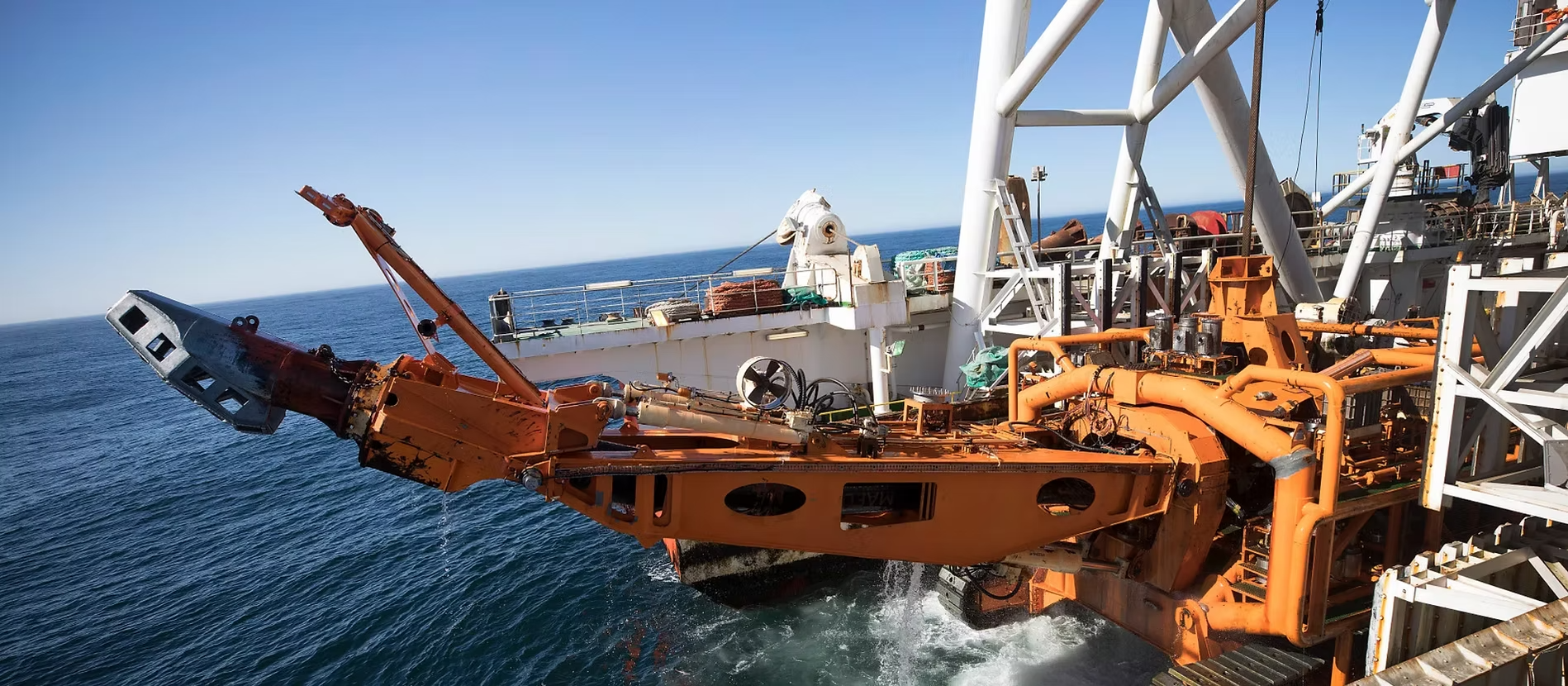
Seabed mining is a practice of extracting mineral deposits from the ocean floor. The process is done using mining vessels equipped with devices known as “crawlers”, massive 350 tons and 12 meters machines that excavate material from the seabed which is then processed onboard using magnetic separation to extract valuable minerals. The remaining sediments are subsequently discharged back into the water column. The products extracted include rare and high-value minerals such as vanadium, that are essential for electric vehicles, batteries, and advanced electronic technologies, which are under high global demand.
For more than a decade, Australian company Trans-Tasman Resources (TTR) has sought permission to mine vast reserves of iron-rich black sand on the South Taranaki seabed, a region on New Zealand’s shore. The Taranaki Vanadium Titanomagnetite (VTM) Project is an offshore seabed mining operation that targets the extraction of up to 50 million tons of seabed material annually from a 65.76 km² area located 22–36 km offshore. Discussions surrounding the project’s approval have been going on for over twelve years now, largely due to uncertainties regarding its environmental impacts and its social and cultural implications for Māori communities, for whom the ocean is regarded as a living entity.
In this context, the Taranaki proposal has been met with strong opposition from a broad coalition of social movements, environmental groups, and interest organisations. Local communities have raised concerns about potential harm to marine ecosystems, the disturbance caused by iron sand extraction, noise pollution, the discharge of large volumes of sediment, and possible effects on coastal processes and shorelines.
Although the process does not involve chemicals, approximately 90% of the seabed material (de-ored sediment) is discharged back into the water column via a pipe, approximately 4 meters above the seabed. Forecasts predict around 45 million tons of discharge will be released into the ocean. As a project that would operate at an industrial scale for an expected duration exceeding 30 years, this initiative would represent a sustained and significant disturbance to the ocean floor.
Other concerns relate to the project’s location in relatively shallow waters and its proximity to the coastline. These conditions introduce further uncertainty, as the magnitude of environmental impacts of such operations are still poorly understood and difficult to monitor. While TTR maintains that environmental impact assessments have been conducted, critics argue that existing studies are insufficient to fully assess the scale and severity of potential ecological damage.
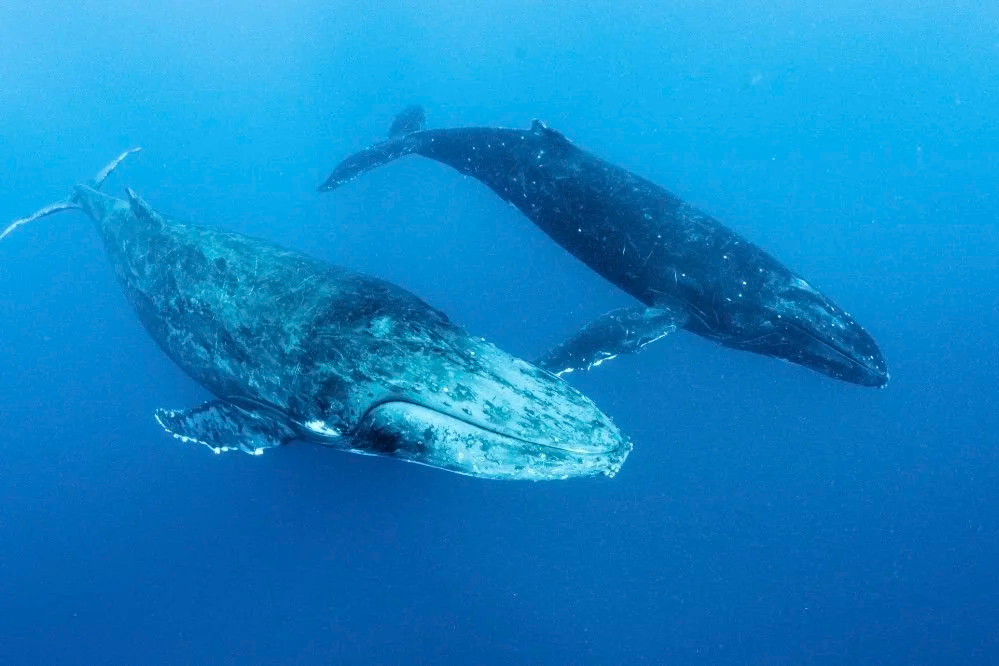
The South Taranaki Bight is home to beautiful and diverse marine life, including coral reefs, vital microorganisms, and eight at-risk marine mammal species such as the pygmy blue whale and the critically endangered Māui dolphin. The region also supports abundant fish populations, extensive kelp forests, algal meadows, sponge gardens, and blue cod nurseries, all of which could be placed at risk if the fast-track application is approved.
Overall, the environmental consequences of seabed mining extend well beyond the immediate extraction zone. They include the destruction of benthic habitats, loss of ecological connectivity across the seafloor, increased sediment plumes that degrade water quality, disruption to marine mammals and fish species, and changes to natural coastal sediment dynamics. These impacts may cascade through the marine food web and threaten sustainable ocean-based activities such as fisheries, tourism, and offshore renewable energy development.
From the mid-2000s, New Zealand’s legal framework for the foreshore and seabed set the stage for offshore mining by asserting Crown ownership while still recognising customary rights, creating ongoing tension between resource extraction and Māori, environmental, and community interests. This tension was exacerbated in 2013–2014 when TTR first applied to mine iron sands in South Taranaki. The proposal triggered unprecedented public engagement and was initially declined by the Environmental Protection Authority (EPA). After further applications, a narrowly split EPA Decision-Making Committee granted marine consents in 2017, but these approvals were immediately challenged by iwi, conservation groups, and local bodies.
Between 2018 and 2021, the courts progressively overturned those consents, culminating in a unanimous Supreme Court decision that found serious legal errors in how uncertainty, adaptive management, and Treaty and tikanga Māori obligations had been addressed. The ruling reset the process and reinforced stricter environmental and cultural standards for seabed mining. In the years that followed, seabed-mining policy remained contested, with proposed bans, inquiries, shifts in government policy, and changes in company ownership.
However, with political changes a new pathway emerged under the Fast-Track Approvals Act of 2024, which is an instrument that streamlines the process for approving major infrastructure and development projects by overriding various environmental and resource management regulations, with the purpose of expediting projects deemed of regional or national significance.
TTR has since lodged a fresh application in 2025 under that instrument. That fast-track process involved an expert panel, invited submissions, and hearings, with a final decision scheduled for March 2026 marking the latest chapter in a two decade long struggle over seabed mining in the region. Supporters of the project argued that it plays a strategic role in New Zealand’s green transition because it provides access to critical minerals needed for low-carbon technologies, such as wind turbines, electric vehicles, and energy storage systems claiming that by sourcing these materials domestically rather than importing them, New Zealand could reduce its reliance on overseas supply chains and strengthen its economy, fostering development in the country. But environmentalists, local communities and Māori have confronted those arguments and continued to express their concerns and flag the dangers posed by the fast track act.
The outcome of this project remains yet to be seen, but its significance should not be underestimated. Beyond the immediate threats to marine ecosystems, approval could set a precedent for similar large scale initiatives, opening the door to widespread ocean exploitation whose long-term impacts remain largely unknown. In this sense, seabed mining raises broader questions about the true costs of green transitions, particularly when environmental damage and social harm are framed as acceptable trade-offs in the pursuit of green growth.
The ocean is a priceless shared good for humanity and it is our collective responsibility to protect it. Monitoring the outcome of the TTR project and other similar initiatives that may pose risks to the seas is essential. Keep up and support the work of organisations that aim to share information and advocate for ocean rights. Your voice matters! Stay engaged and take care of the ocean #tavaha .