
Have you ever noticed how the sea in spring can look greener and less clear, instead of the deep blue we often imagine when thinking about the ocean? This is something commonly observed in Danish waters and is closely linked to a phenomenon called eutrophication.
The word eutrophication comes from the Greek words eu (“much”) and trophe (“food”) which perfectly describes this phenomenon: too much food. Eutrophication occurs when waters become enriched with excessive nutrients — mainly nitrogen and phosphorus. These nutrients act as “food” for tiny marine organisms called phytoplankton, microscopic algae that naturally live in seawater,and they are fundamental for the food chain in the ocean.
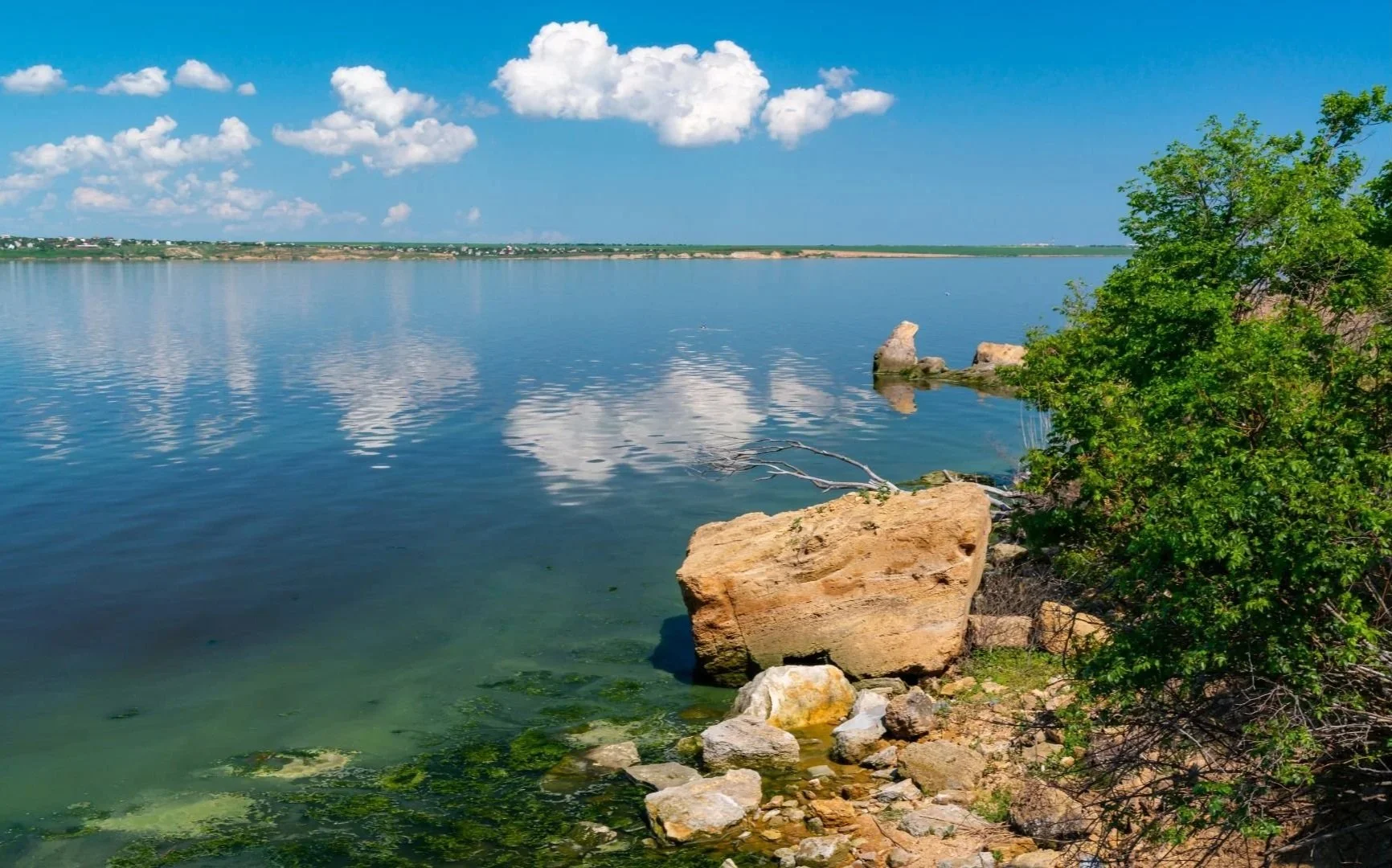
When large amounts of nutrients are available, especially during sunny spring and summer months, phytoplankton can grow extremely fast. This rapid growth is known as an algal bloom and it appears as greenish and murky water, because these algae contain green pigments. The more algae growth, the greener the water .
At first glance, more algae may not sound harmful. After all, phytoplankton are an important part of the marine food web, because they are prey for larger marine creatures and provide oxygen through photosynthesis. However, too much of a good thing can disturb the balance of the ecosystem.
What are the consequences for the marine environment?
Eelgrass
One of the first consequences is reduced light penetration. In clear waters, sunlight can reach the seabed, allowing eelgrass and seaweed to grow. These underwater plants are essential because they stabilize sediments, reduce wave energy, provide nursery areas for fish, and create habitats for many marine organisms. Decades ago, eelgrass in Denmark could grow at depths of 5–6 meters. Today, in many fjords and coastal areas, it is often limited to depths of only 2–3 meters because the water has become too murky.
When eelgrass disappears, coastal ecosystems become less stable. Sediments are stirred up more easily, making the water even murkier. Fast-growing algae such as sea lettuce can then spread rapidly and form thick floating mats that outcompete slower-growing plants.
Oxygen depletion
Another major consequence is oxygen depletion. When algae die, they sink to the seafloor where bacteria decompose them and consume oxygen from the water. During summer and autumn, oxygen levels in Danish fjords and enclosed coastal waters can become dangerously low, especially in deeper areas with poor water circulation. Fish, shellfish, and bottom-dwelling animals may suffocate and die.
In the most severe cases, oxygen depletion can even lead to the release of toxic gas (hydrogen sulfide) from the seabed, sometimes called “sulfide eruptions.” These events can kill nearly all marine life in affected areas.
Harmful Algal Blooms
Eutrophication can also trigger harmful algal blooms. Some species of algae produce toxins that may affect fish, seabirds, marine mammals, and even humans. During large blooms, beaches can occasionally be closed as a precaution. Fortunately, most algal blooms in Denmark are not dangerous to swimmers, but authorities still monitor coastal waters closely, especially during summer. In cases of intense algal blooms or after heavy rainfall, local authorities may temporarily advise against swimming. Some municipalities provide online platforms and apps, such as Badevand.dk, where people can check real-time information about water quality, algae blooms, and bathing safety before going to the beach.
Where do these excess nutrients come from?
One of the main sources is agriculture, which palys a particularly important role in Denmark due to the country’s intensive farming practices. Fertilizers rich in nitrogen and phosphorus are widely used to increase crop yields, and a significant share of these nutrients can be transported to the sea through drainage systems, streams and rivers, especially during periods of heavy rainfall. In some cases, nutrients that have accumulated in soils over many years can continue to leach out, even if fertilizer use is reduced today. In addition, wastewater from cities and industries also contributes nutrients, although treatment systems have improved significantly over recent decades.
How can we counteract eutrophication?
Since the 1990s, Denmark has reduced nutrient pollution considerably through environmental regulations and the implementation of the EU Water Framework Directive, a set of common guidelines for all EU countries in order to achieve good environmental status for their water bodies. Despite these regulations, progress has slowed in recent years. This is partly because reducing nutrient pollution further has become more challenging, as many of the improvements that are easier to apply, such as upgrading wastewater treatment plants, have already been achieved. Today, a larger share of nutrient inputs comes from diffuse sources like agriculture, which are harder to control. In addition, nutrients stored in soils and sediments can continue to leak into waterways for many years, delaying improvements. Climate change may also play a role, as more intense rainfall can increase nutrient runoff.
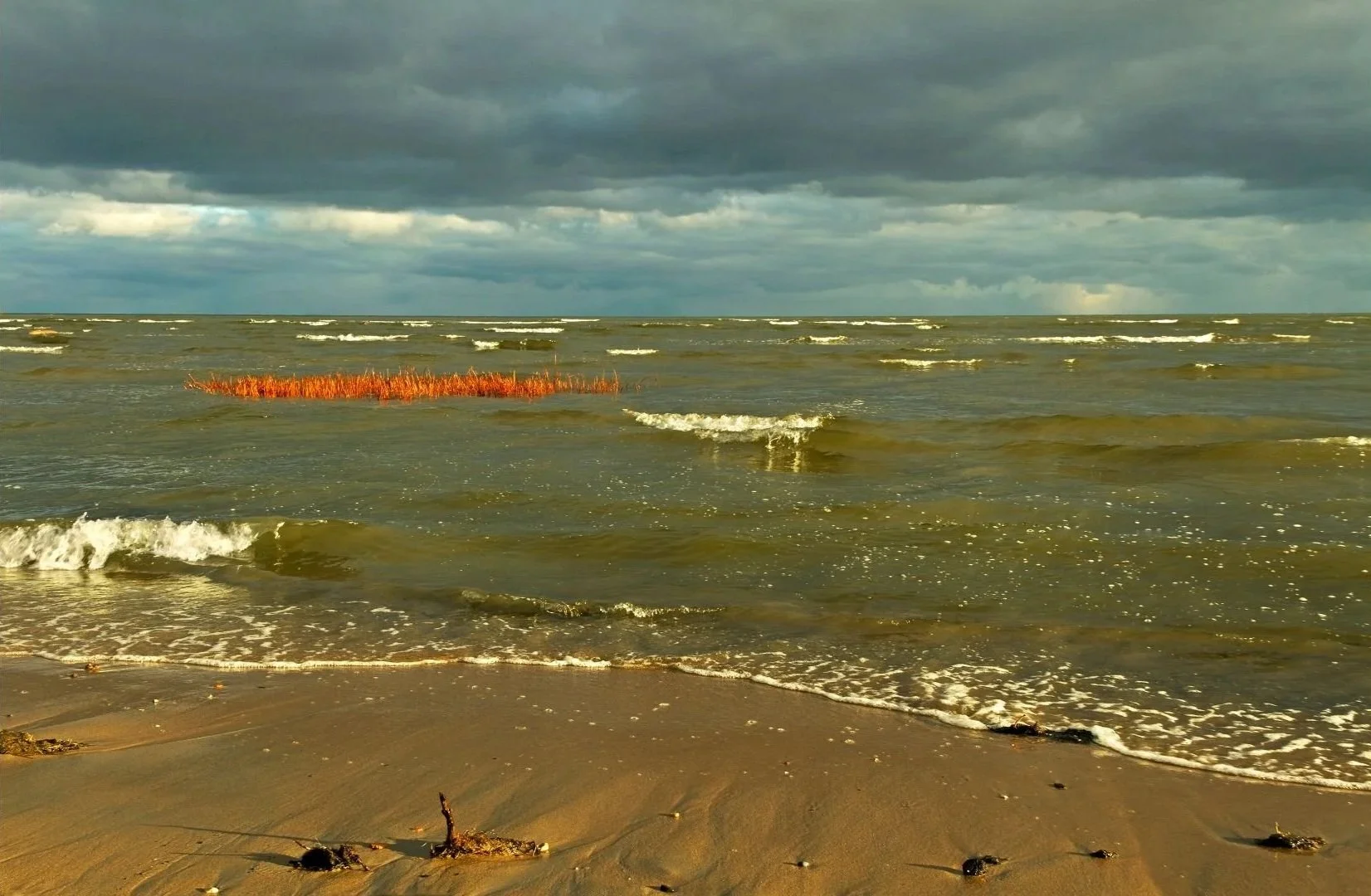
In marine waters, nitrogen is considered the main driver of algal growth, which is why reducing nitrogen runoff from farmland remains a major environmental priority. Scientists and environmental organizations also emphasize the importance of restoring marine habitats such as eelgrass meadows and protecting coastal ecosystems.
Eutrophication is one of the ways that the sea uses its voice and speaks to us about the stress it experiences. However, not all nutrient enrichment is harmful. In fact, a certain amount of nutrients is natural and necessary to support marine life. The problem arises when there is too much, disrupting the balance of the ecosystem. The health of the sea is closely connected to activities on land and what happens in agricultural fields, cities, and industries eventually reaches the marine environment. So, next time you go to the ocean and it looks greener and murkier than usual, it may be a sign of how the ecosystem is functioning or struggling. It is a way that the ocean speaks to us. Being able to hear the voice of the ocean and understand its signals is an important step toward protecting the Danish waters that so many people value.